
삐뚤어진 앞니, 발치 없이 비발치 교정으로 개선
벌어지고 회전된 앞니, 위아래가 맞물리지 않던 교합을 발치하지 않고 비발치 교정으로 개선한 실제 과정을 사진과 함께 정리해 드립니다.
안녕하세요, 명일동 강동구에 위치한 서울더자연치과 치과의사 김민수입니다. 오늘은 앞니(전치부) 배열이 삐뚤어졌을 때 발치하지 않고 개선할 수 있는 방법을 실제 사례와 함께 설명드리겠습니다.
앞니가 벌어지거나 회전되어 있으면 심미적으로 신경이 쓰일 뿐 아니라, 벌어진 틈으로 음식물이 자주 끼고 위아래 치아가 제대로 맞물리지 않는 교합 문제로 이어지기도 합니다. 이런 경우 상태에 따라 발치하지 않는 비발치 교정으로 개선을 기대할 수 있습니다.
치료 전 상태는 어땠나요?
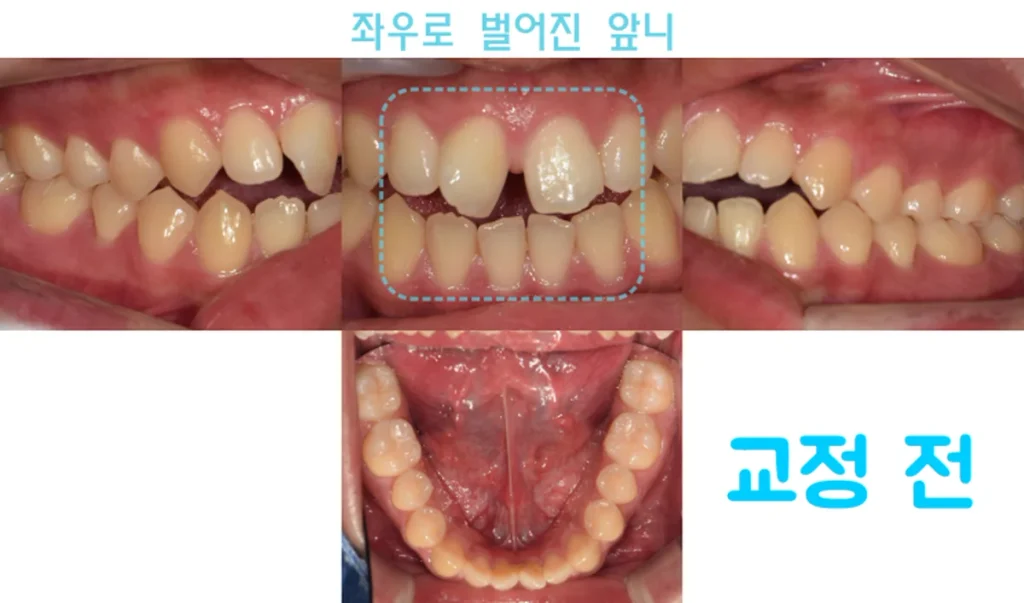
치료 전 구내 사진을 관찰해 보면, 가운데 앞니(중절치)가 심하게 벌어져 있는 것이 관찰됩니다. 또한 앞니가 회전된 형태로 자리 잡아 심미적인 문제가 함께 나타나 있었습니다.
이렇게 가운데 앞니 사이가 벌어지면 그 틈으로 음식 찌꺼기나 외부 이물질이 자주 끼는 등 여러 문제가 생길 수 있습니다. 더불어 전치부 치아들이 서로 맞물리지 않고 위아래가 떠 있는 것도 관찰되었는데, 제대로 물리지 않아 교합조차 이루어지지 않았던 상황으로 짐작됩니다.
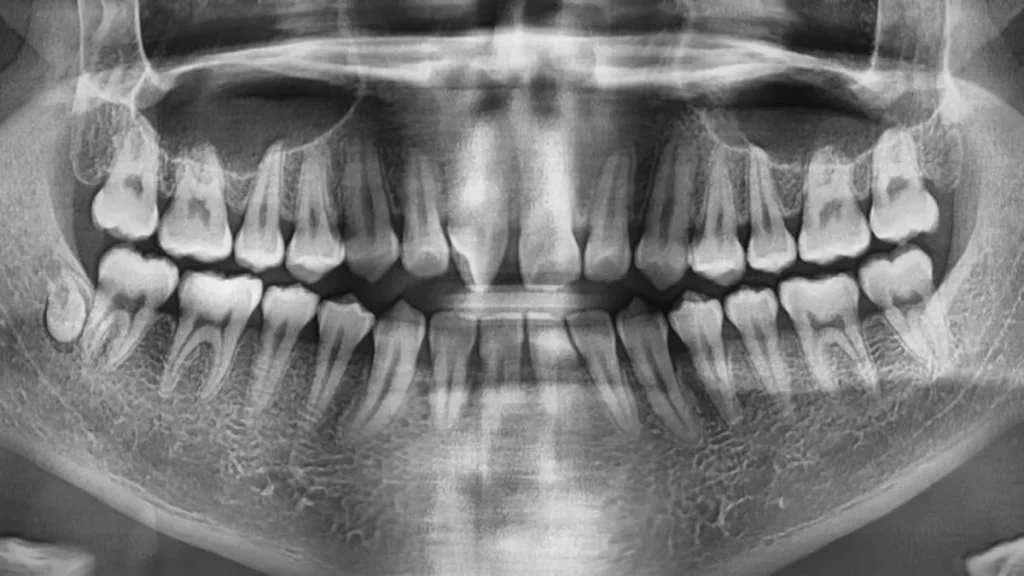
치열 문제는 단순히 보기에만 영향을 주는 것이 아니라 기능은 물론이며 심미, 나아가 심리적인 면에서도 좋지 않은 영향을 끼칠 수 있습니다. 따라서 방사선검사 등으로 현재 치아와 뼈, 교합 상태를 함께 확인한 뒤 개선 방법을 계획하는 것이 중요합니다.
왜 비발치 교정을 고려했나요?

교정치료에서 발치 여부는 돌출 정도, 치아를 배열할 공간이 얼마나 부족한지 등을 종합적으로 보고 결정합니다. 돌출이나 삐뚠 정도가 크지 않다면 발치를 하지 않고도 치아를 배열할 수 있는 경우가 있습니다.
이 사례에서는 측면 두부 방사선 등으로 확인한 결과, 발치 없이 배열이 가능하다고 판단해 비발치 교정을 통해 심미적인 부분을 개선하는 방향으로 계획했습니다. 다만 비발치 교정이 모든 경우에 가능한 것은 아니며, 치아가 배열될 공간과 돌출 정도, 교합 상태 등에 따라 발치가 필요한 경우도 있으므로 정확한 판단은 검사를 통해 개별적으로 이루어져야 합니다.
교정 후에는 어떻게 개선되었나요?
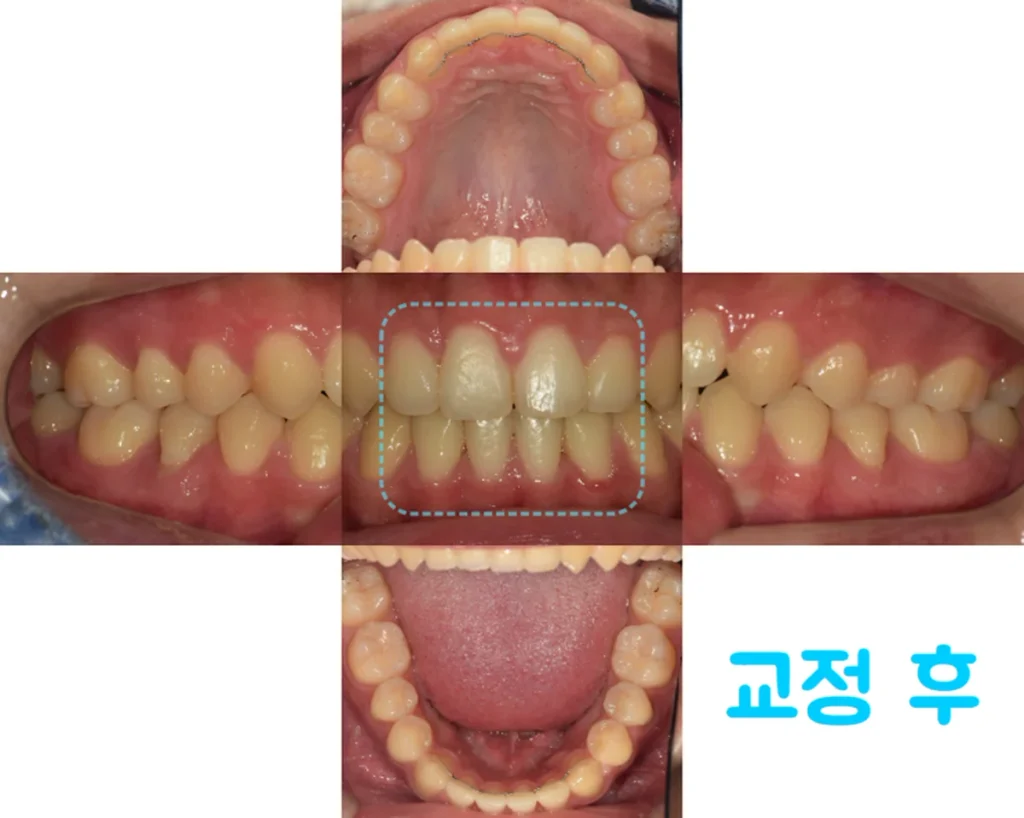
비발치 교정을 진행한 뒤 사진을 보면, 양쪽으로 돌아가 있던 앞니 2개가 제 위치를 찾아온 것을 확인할 수 있습니다. 또한 위아래가 떠 있던 교합 문제도 이전보다 긴밀하게 물리고 있는 것이 관찰됩니다.
떨어져 있던 치아들이 자연스럽게 붙어 배열되면서, 심미적인 면뿐 아니라 기능적인 면에서도 제 역할을 할 수 있도록 올바른 위치에 정렬된 것으로 보입니다. 이렇게 앞니가 벌어지고 회전되어 교합이 맞지 않던 경우에도, 상태에 따라 발치 없이 개선을 기대할 수 있습니다.
교정이 끝난 뒤에는 유지 장치가 필요합니다
고르게 펴진 치아들이 다시 틀어지지 않도록 하려면 교정 후 유지 장치(리테이너) 부착이 중요합니다. 교정으로 이동한 치아는 시간이 지나면서 원래 위치로 되돌아가려는 회귀 현상이 나타날 수 있기 때문입니다.
따라서 교정치료는 치아를 배열하는 것으로 끝나는 것이 아니라, 유지 관리까지 포함해 하나의 과정으로 이해하는 것이 좋습니다. 유지 장치 사용 기간과 방법은 개인의 치아 상태에 따라 달라질 수 있으므로 안내받은 대로 관리하는 것이 중요합니다.
앞니 배열이 삐뚤면 어떤 문제가 생길 수 있나요?
앞니가 벌어지거나 회전되어 있으면 우선 심미적으로 신경이 쓰일 수 있습니다. 하지만 그뿐 아니라 벌어진 틈에 음식물이 자주 끼어 위생관리가 어려워질 수 있고, 위아래 치아가 제대로 맞물리지 않으면 저작(씹는) 기능에도 영향을 줄 수 있습니다.
또한 특정 치아에 힘이 몰리거나 발음에 영향을 주는 경우도 있습니다. 따라서 앞니 배열 문제는 단순히 미용의 문제로만 보기보다, 기능과 위생 측면에서도 확인해 보는 것이 좋습니다.
비발치 교정, 누구나 가능한가요?
비발치 교정은 발치를 하지 않아 부담이 적게 느껴질 수 있지만, 모든 경우에 적용되는 방법은 아닙니다. 치아가 배열될 공간이 충분한지, 돌출 정도가 어느 정도인지, 위아래 교합은 어떤지에 따라 발치가 필요한 경우도 있습니다.
즉, 발치 여부는 “발치를 하고 싶은지”가 아니라 “현재 치열과 교합 상태에서 어떤 방법이 적절한지”를 기준으로 결정하는 것이 정확합니다. 정확한 판단을 위해서는 구강검사와 방사선검사 등을 통해 개별적으로 확인하는 과정이 필요합니다.
치열 문제, 빠르게 확인하는 것이 좋습니다
치열 문제든 충치나 치주질환 같은 구강 문제든, 최대한 빠른 시일 내에 확인하고 개선하는 것이 좋습니다. 우리의 자연치를 확실하게 지킬 수 있는 방법은 예방과 조기 발견입니다.
앞니가 벌어지거나 삐뚤어져 신경이 쓰인다면, 발치 여부나 장치 종류를 먼저 고민하기보다 현재 치열과 교합, 잇몸 상태를 정확히 검사해 보는 것부터 시작하시길 권해 드립니다.
자주 묻는 질문
Q. 앞니만 삐뚤어도 교정이 필요한가요?
앞니 배열 문제는 심미뿐 아니라 위생과 교합에도 영향을 줄 수 있습니다. 다만 개선 방법과 범위는 원인과 상태에 따라 다르므로 검사를 통해 확인하는 것이 좋습니다.
Q. 비발치 교정이 발치 교정보다 항상 좋은가요?
그렇지는 않습니다. 발치 여부는 좋고 나쁨이 아니라 현재 치열과 교합, 돌출 정도, 배열 공간에 따라 결정됩니다. 상태에 따라 발치가 더 적절한 경우도 있습니다.
Q. 앞니가 벌어진 것도 교정으로 붙일 수 있나요?
치아 사이가 벌어진 경우(치간 이개)도 원인에 따라 교정으로 개선을 기대할 수 있습니다. 다만 벌어진 원인과 잇몸 상태를 함께 확인한 뒤 방법을 결정합니다.
Q. 교정이 끝나면 다시 삐뚤어지지 않나요?
교정 후에는 치아가 원래 위치로 돌아가려는 회귀 현상이 있을 수 있습니다. 이를 막기 위해 유지 장치를 사용하며, 안내받은 대로 관리하는 것이 중요합니다.
Q. 교정 치료 기간은 얼마나 걸리나요?
치아 이동량, 교합 상태, 장치 종류, 치료 협조도 등에 따라 다릅니다. 정확한 기간은 검사 후 치료 계획을 세우면서 안내받는 것이 좋습니다.
English Summary
Improving Crowded Front Teeth with Non-Extraction Orthodontics
When the front teeth are misaligned, they are not only an aesthetic concern; a gap between the central incisors easily traps food, and teeth that do not meet properly can create bite problems. This case describes improving such a situation with non-extraction orthodontics, without removing any teeth. On the pre-treatment intraoral photographs, the central incisors were noticeably spaced apart, and the teeth had settled in a rotated position, producing an aesthetic problem.
When the gap between the central incisors opens like this, food debris and foreign material frequently become trapped, and several problems can follow. In addition, the front teeth did not meet one another, with the upper and lower teeth floating apart, suggesting that a proper bite had not been established.
Misalignment is not merely a matter of appearance. It can affect function, aesthetics, and even a person’s psychological wellbeing, so it is important to check the current state of the teeth, bone, and bite with examinations such as radiographs before planning how to improve it. Whether to extract teeth in orthodontic treatment is decided by considering the degree of protrusion and how much space is lacking to align the teeth. When protrusion and crowding are not severe, it is sometimes possible to align the teeth without extraction.
This is why two people who both describe their concern as simply “crooked front teeth” may end up with very different recommendations: the visible crowding is only one input, and the amount of room in the arch, the forward position of the teeth, and the way the upper and lower jaws relate to each other all weigh into the decision.
In this case, evaluation including a lateral cephalometric radiograph indicated that alignment was possible without extraction, so the plan was to improve the aesthetics through non-extraction orthodontics. A lateral cephalometric film is useful here because it shows the front teeth in profile and their relationship to the underlying bone, which helps distinguish crowding that can be resolved by gently widening or reshaping the arch from crowding driven by teeth that sit too far forward.
It is important to note, however, that non-extraction treatment is not possible in every case; depending on the space available to align the teeth, the degree of protrusion, and the bite, extraction is sometimes necessary. The accurate decision must be made individually through examination rather than assumed in advance, because the same-looking front teeth can require quite different plans once the underlying bite and spacing are assessed.
After the non-extraction treatment, the two front teeth that had been rotated to either side had returned to their proper positions, and the bite problem, in which the upper and lower teeth had been floating apart, was meeting more closely than before. The previously separated teeth came together in a natural arrangement, appearing to be aligned in correct positions so that they could serve their role not only aesthetically but also functionally.
This illustrates that even when the front teeth are spaced, rotated, and failing to meet in a proper bite, improvement can be pursued without extraction depending on the condition.
Care does not end once the teeth are aligned. To keep the newly straightened teeth from shifting again, attaching a retainer after treatment is important, because teeth that have been moved by orthodontics can relapse toward their original positions over time. Orthodontic treatment is therefore best understood as a single process that includes retention and maintenance, not just the alignment stage; the duration and method of retainer use vary with each person’s condition and should follow the guidance given. More broadly, whether the issue is alignment or an oral problem such as decay or periodontal disease, identifying and improving it as early as possible is the best approach, since protecting the natural teeth relies on prevention and early detection.
Anyone bothered by spaced or crooked front teeth is encouraged to begin not by deciding on extraction or an appliance type, but by having the current alignment, bite, and gum condition examined accurately, so that the most appropriate plan can be established for their individual situation and their natural teeth can be preserved wherever possible.
마치며
삐뚠 앞니는 심미적인 고민뿐 아니라 위생과 교합, 나아가 심리적인 면에도 영향을 줄 수 있습니다. 이 사례처럼 앞니가 벌어지고 회전되어 교합이 맞지 않던 경우에도, 돌출이나 삐뚠 정도가 크지 않다면 발치하지 않는 비발치 교정으로 개선을 기대할 수 있습니다.
다만 발치 여부와 교정 방법은 개인의 치열과 교합, 돌출 정도에 따라 달라지므로 정확한 판단은 검사를 통해 이루어져야 합니다. 강동구, 명일동에서 삐뚠 앞니나 비발치 교정을 고민하고 계신다면 장치 종류부터 정하기보다 현재 치열과 교합, 잇몸 상태를 정확히 확인해 보시길 권해 드립니다. 치과 치료 전반이 궁금하시다면 아래 글도 함께 참고해 보시면 도움이 되실 것입니다.
지금까지 서울더자연치과 치과의사 김민수였습니다.
※ 본 포스팅은 의료법 제56조 제1항의 의료광고 규정을 준수하여 작성되었으며, 실제 내원 환자분의 동의하에 공개된 사진입니다. 개인에 따라 진료 및 치료 방법, 효과와 부작용이 다르게 나타날 수 있으며, 진료 전 전문 의료진과의 충분한 상담을 권해 드립니다.