
어금니가 거의 없을 때, 최소 개수 임플란트로 회복한 과정
구치부 어금니가 대부분 상실된 상태에서, 상악 양쪽에 1개씩 꼭 필요한 최소 개수의 임플란트로 저작 기능을 회복하고 남은 치아는 크라운으로 정리한 실제 임상 과정을 전후 사진과 함께 설명드립니다.
안녕하세요, 강동구 명일동 서울더자연치과 대표원장, 한양대학교병원 외래교수 김민수입니다.
오늘은 어금니가 하나둘 빠진 채로 오래 지내다 앞니만으로 식사를 이어가시던 분의 사례를, 임플란트 식립 과정과 함께 설명드리겠습니다.
이 사례는 구치부(어금니) 치아 대부분이 상실된 상태에서, 상악 양쪽 어금니에 1개씩 꼭 필요한 최소 개수의 임플란트로 저작의 중심을 회복하고, 심하게 깨지거나 살려야 할 치아는 크라운 수복으로 정리한 경우입니다.
강동구 임플란트 치료를 고민하시는 분들이 전체 흐름을 이해하시는 데 도움이 되었으면 합니다.
어떤 상태로 내원하셨나요?

⬇️[01_초진파노라마_구치부상실]
초진 파노라마 사진을 살펴보면 구치부(어금니) 치아 대부분이 상실되어 전치부(앞니)만 남아 있는 상태로 보였습니다. 상악 어금니 쪽 한 곳도 상황이 좋지 않아 보였습니다.
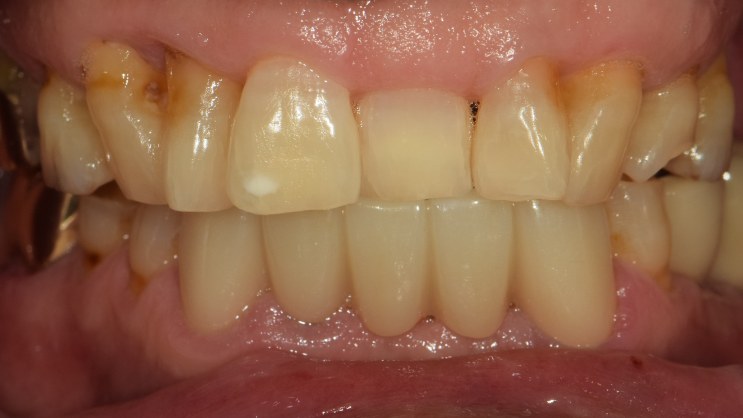
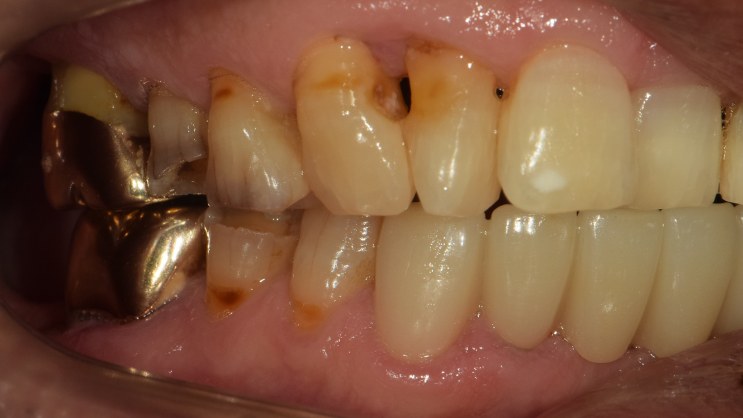
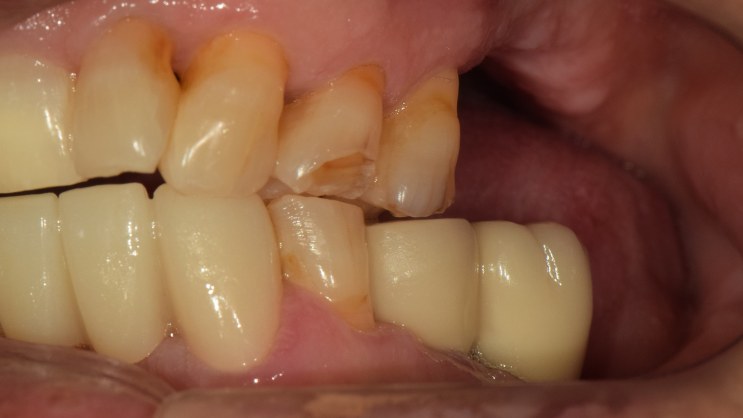
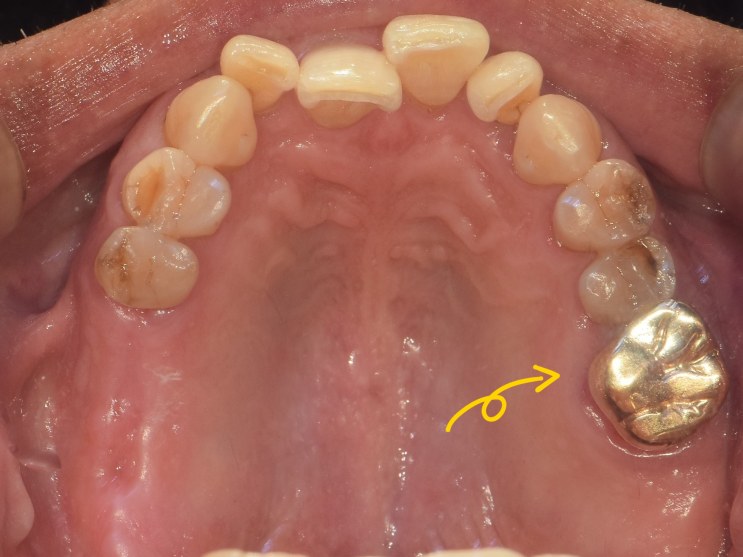

구강 사진을 함께 관찰해보면 구치부 상실 외에도 여러 문제가 확인되었습니다. 우선 앞니 교합이 잘 맞지 않았고, 여기저기 파절되거나 손상된 치아들이 눈에 띄었습니다. 교합면에서 관찰해보면 얼마나 많은 치아가 상실된 채로 시간이 지났는지 짐작할 수 있었습니다.
이렇게 남은 어금니가 거의 없어 저작 활동에 문제가 생기면, 자연스럽게 영양 섭취 문제로 이어질 수 있습니다.
왜 최소 개수 임플란트를 계획했을까요?
빠진 어금니를 모두 임플란트로 채우는 방법도 있지만, 이 사례에서는 남은 치아와 교합을 최대한 활용하는 방향을 먼저 고려했습니다. 구체적으로는 상악 양쪽 어금니에 1개씩만 임플란트를 식립해 저작의 중심을 회복해준 뒤, 심하게 깨지거나 살려야 할 치아는 크라운 수복으로 정리하는 계획이었습니다.
이렇게 하면 불필요한 식립을 줄이면서도 씹는 기능을 회복하는 데 도움이 될 수 있습니다. 다만 이러한 최소 개수 접근이 모든 분께 동일하게 적용되는 것은 아닙니다. 강동구 임플란트 상담에서도 잔존 치아의 상태, 골량, 교합에 따라 필요한 임플란트 개수와 방식은 달라질 수 있다고 설명드립니다.
임플란트 식립과 회복은 어떻게 진행되나요?
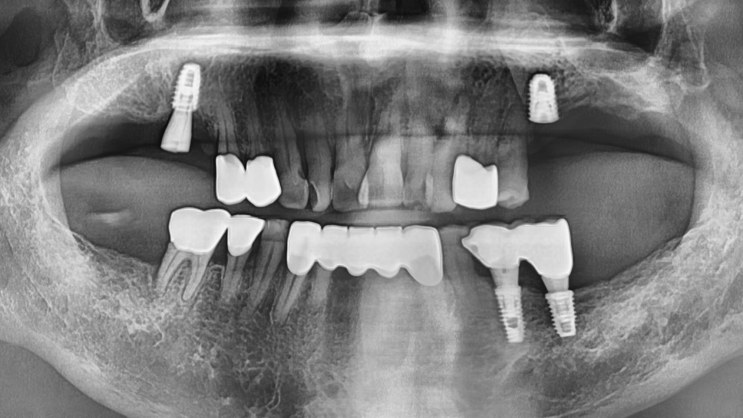
계획이 잘 수립되었다면 상악에 2개의 임플란트를 식립합니다. 식립 후에는 안정적으로 자리 잡았는지 엑스레이로 확인하고, 일상생활에 불편함이 없도록 임시치아를 장착합니다. 이후 임플란트 주변 뼈가 충분히 붙을 수 있도록 회복 기간을 가집니다.
회복 기간은 평균적으로 약 3개월 정도 소요되지만, 골질과 개인 상태에 따라 차이가 있을 수 있습니다. 회복 기간이 지나면 고정력에 문제가 없는지 점검하고, 튼튼한 고정력이 확인되면 최종 크라운을 세팅합니다. 강동구 임플란트 치료에서 이 회복·점검 단계를 충분히 두는 이유는, 급하게 진행하기보다 안정성을 먼저 확인하기 위함입니다.
치료 후에는 어떻게 마무리되었나요?

크라운 세팅까지 마치면 하나의 과정이 마무리됩니다. 예시 사진에서 크라운 제작까지 완료된 모습을 확인할 수 있습니다.
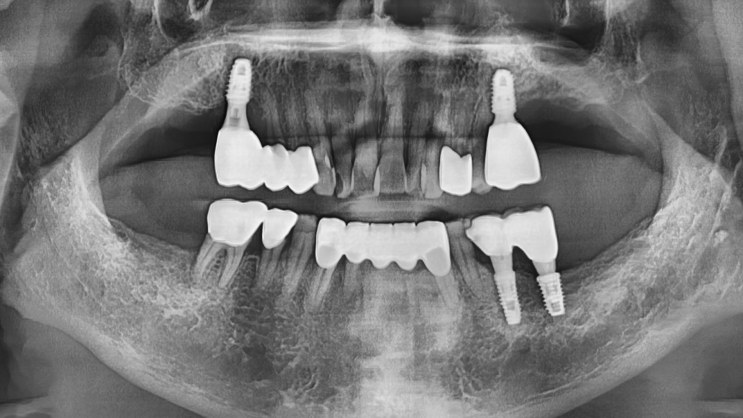

치료 전과 후 파노라마를 비교해보면 어금니 부위의 저작 지지가 회복된 변화를 확인할 수 있습니다. 다만 이러한 결과는 진단 시점의 구강 상태에 따른 예시이며, 실제 경과와 결과에는 개인차가 있습니다.
강동구에서 어금니 임플란트를 고민하신다면
같은 어금니 상실처럼 보여도 치료 계획은 사람마다 달라질 수 있습니다. 남은 치아를 얼마나 살릴 수 있는지, 골량과 교합은 어떤지에 따라 임플란트 개수와 크라운 수복 범위가 달라지기 때문입니다.
따라서 인터넷의 사례 사진만으로 자신의 치료 방법을 단정하기보다는, 파노라마와 구강 검사로 잔존 치아·골 상태·교합을 함께 확인하는 과정이 중요합니다. 강동구 임플란트를 알아보실 때도 단순히 몇 개를 심는지보다, 현재 상태에서 가장 적절한 계획이 무엇인지 상담받아 보시길 권해드립니다. 전반적인 내용은 강동구 임플란트 완전 가이드에서도 정리해 두었으니 함께 참고하셔도 좋습니다.
자주 묻는 질문
Q. 어금니가 여러 개 없으면 그 개수만큼 임플란트를 심어야 하나요?
반드시 그렇지는 않습니다. 남은 치아와 교합 상태에 따라 최소 개수의 임플란트로 저작의 중심을 회복하고, 나머지는 크라운 수복 등으로 정리하는 방법을 고려할 수 있습니다. 필요한 개수는 검사 후 결정됩니다.
Q. 임플란트를 심으면 바로 씹을 수 있나요?
식립 직후에는 임시치아로 일상생활의 불편을 줄이고, 임플란트 주변 뼈가 붙는 회복 기간을 거친 뒤 최종 크라운을 세팅합니다. 회복 기간은 평균 약 3개월 정도이며 개인차가 있습니다.
Q. 남은 치아가 깨졌는데 꼭 빼야 하나요?
손상 정도에 따라 다릅니다. 살릴 수 있는 치아는 크라운 등으로 수복해 활용하고, 보존이 어려운 경우에 한해 다른 방법을 고려합니다. 이는 검사 결과에 따라 달라집니다.
Q. 임플란트 골화(뼈가 붙는) 기간은 얼마나 걸리나요?
평균적으로 약 3개월 정도가 소요되지만, 골질과 식립 부위, 전신 상태 등에 따라 차이가 있을 수 있습니다.
Q. 어금니를 오래 방치하면 어떤 문제가 생기나요?
저작 기능이 떨어져 영양 섭취에 영향을 줄 수 있고, 남은 치아에 부담이 실리거나 주변 치아·교합에 변화가 생길 수 있습니다. 변화가 느껴진다면 검진을 받아보시는 것이 좋습니다.
English Summary
Restoring Chewing Function with a Minimal Number of Implants When Most Molars Are Missing: A Real Case
This post follows a real clinical case of a patient who had lost most of the posterior (molar) teeth and had been eating mainly with the front teeth for a long time. The plan was not to fill every missing space with an implant, but to restore the center of chewing using the minimum necessary number of implants — one on each side of the upper posterior area — while badly damaged but salvageable teeth were treated with crown restorations rather than being removed. The aim was to recover chewing function efficiently and to bring the remaining teeth and bite back into a workable balance.
On the initial panoramic radiograph, most of the posterior teeth had been lost and mainly the anterior teeth remained, and one area of the upper molars also looked compromised. The intraoral photographs showed more than just missing molars: the front bite did not meet well, and several teeth were fractured or damaged. Viewed from the occlusal surface, it was possible to sense how long the teeth had been missing. When there are almost no molars left to chew with, chewing function declines, and this can gradually affect nutrition as well, which is one reason posterior tooth loss is worth addressing rather than leaving indefinitely.
The reason a minimal number of implants was planned is that the remaining teeth and the existing bite could still be used. Instead of placing many implants, one implant was planned on each side of the upper posterior area to rebuild the chewing center, and teeth that were badly broken but still salvageable were restored with crowns.
This kind of approach can reduce unnecessary placement while still helping to recover chewing. It is important to note, however, that a minimal-count approach does not apply the same way to everyone; the number of implants and the extent of crown work depend on the condition of the remaining teeth, the amount of bone, and the bite, all of which are assessed before planning.
For the treatment itself, once the plan was set, two implants were placed in the upper jaw. After placement, their stability was checked on X-ray, and temporary teeth were fitted so that everyday life would be comfortable. A healing period was then allowed for the bone around the implants to integrate.
This takes about three months on average, though it varies with bone quality and individual factors. After the healing period, the fixation was checked, and once firm stability was confirmed, the final crowns were set. Allowing enough time for healing and for this check, rather than rushing, is intended to confirm stability before completing the restoration.
After the crowns were set, the process was complete, and the example photographs show the finished crown work. Comparing the panoramic images before and after treatment shows that posterior chewing support had been recovered. That said, this outcome reflects the oral condition at the time of diagnosis, and actual progress and results vary from person to person, so the same plan will not produce identical results for everyone.
After the final crowns are in place, the long-term result depends heavily on maintenance. Implant restorations still require daily brushing and interdental cleaning around the implant and the neighboring teeth, along with regular check-ups to confirm that the bite, the fixation, and the surrounding gum and bone remain healthy.
Because this case combined implants with crowns and remaining natural teeth, keeping the whole arch clean and in balance matters as much as the surgery itself. Overloading the restored area with very hard or tough foods, or unmanaged clenching and grinding, can place unnecessary stress on both the implants and the crowns, so these habits are worth checking during follow-up visits.
The broader takeaway is that cases that look like the same “missing molars” can call for quite different plans. How many of the remaining teeth can be saved, how much bone is present, and how the bite comes together all change the number of implants and the extent of crown restoration that make sense.
Rather than deciding on a treatment from case photos seen online, it is important to examine the remaining teeth, bone, and bite together through a panoramic radiograph and an oral examination. At Seoul The Nature Dental Clinic in Gangdong-gu, Myeongil-dong, patients considering molar implants are encouraged to focus less on how many implants are placed and more on what plan is most appropriate for their current condition, decided after a proper examination.
마치며
어금니가 거의 없는 상태라고 해서 무조건 많은 임플란트가 필요한 것은 아닙니다. 남은 치아와 교합을 살펴 꼭 필요한 최소 개수로 저작 기능을 회복하는 방향도 고려할 수 있습니다. 다만 최소 개수 접근이 모든 경우에 맞는 것은 아니며, 잔존 치아와 골 상태, 교합에 따라 계획은 달라집니다.
강동구, 명일동에서 어금니 상실이나 강동구 임플란트 개수가 고민되신다면, 무리하지 마시고 먼저 파노라마와 구강 검사를 통해 본인의 상태에 맞는 계획을 확인해 보시길 권해 드립니다.
지금까지 서울더자연치과 치과의사 김민수였습니다.
※ 본 포스팅은 의료법 제56조 제1항의 의료광고 규정을 준수하여 작성되었으며, 실제 내원 환자분의 동의하에 공개된 사진입니다. 임플란트 시술에는 감염, 신경 손상, 보철물 파절, 부정교합 등 부작용이나 주의사항이 있을 수 있고, 개인에 따라 진료 및 치료 방법, 효과와 부작용이 다르게 나타날 수 있으므로, 진료 전 전문 의료진과의 충분한 상담을 권해 드립니다.