
Full-Mouth Implant Case
전체 임플란트, 언제 고려해야 할까요?
다수의 치아를 상실하고 잇몸 상태까지 좋지 않으셨던 실제 케이스로,
명일동 서울더자연치과 김민수 원장이 전체 임플란트 치료 과정을 설명드립니다.
안녕하세요, 전체 임플란트 전문치과 서울더자연치과 치과의사 김민수입니다.
오늘은 자연치가 상실되었을 때 그 기능을 대신할 수 있는 임플란트, 그중에서도 다수의 치아를 한 번에 잃으셨을 때 고려하게 되는 전체 임플란트에 대해 실제 진료 사례를 통해 설명드리려고 합니다.
치아가 상실되면 씹는 기능이 떨어지는 것은 물론, 남아있는 치아들의 배열이나 잇몸 건강에도 연쇄적으로 영향을 줄 수 있습니다. 그래서 치아가 상실되셨다면 가까운 치과를 조속히 방문하셔서 현재 상태에 맞는 치료 계획을 세우시는 것이 좋겠습니다.
오늘 소개해드릴 사례를 통해 전체 임플란트를 고려하게 되는 상황과 치료 과정을 함께 살펴보겠습니다.
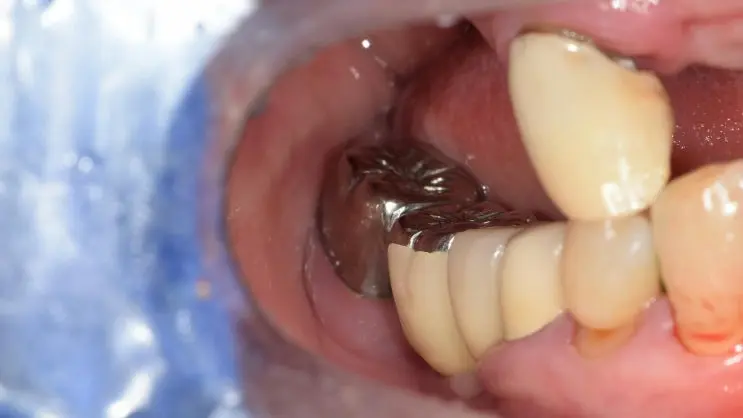
초진 시 구강 상태는 이랬습니다
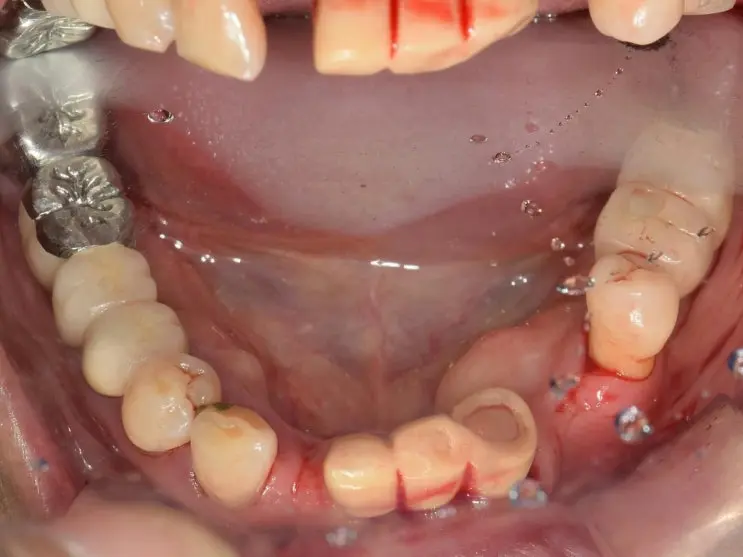
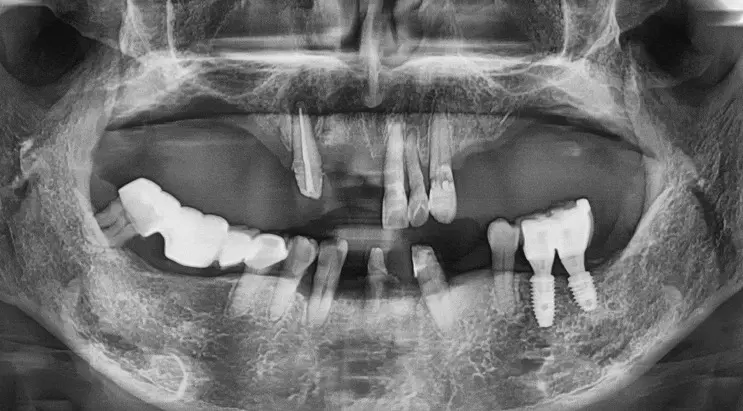
처음 내원하셨을 때 구강 내를 관찰해보니 다수의 치아가 이미 상실된 상태였고, 남아있는 치아들의 상태도 좋지 않아 보였습니다. 일부는 뿌리만 남아있는 상태였고, 심한 염증으로 인해 치조골 소실이 나타난 부위도 확인되었습니다.
구강 내를 좀 더 자세히 살펴보니 치주질환이 상당히 진행되어 있었고, 출혈과 부종도 함께 나타나 있었습니다. 이런 경우 남아있는 치아를 무리하게 살리려 하기보다, 전체적인 구강 상태를 종합적으로 평가한 뒤 치료 방향을 정하는 것이 더 안전할 수 있습니다.
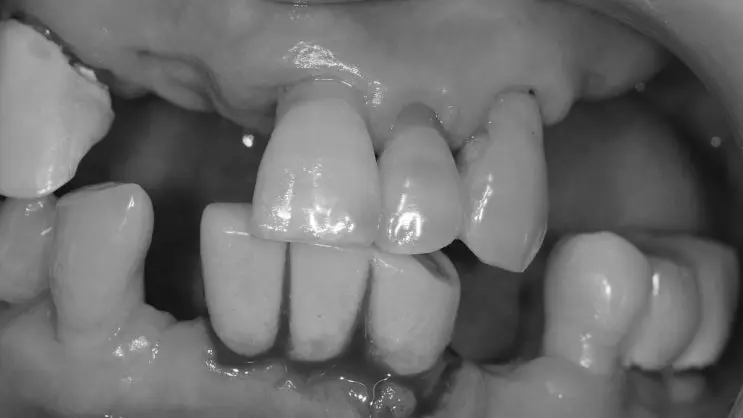
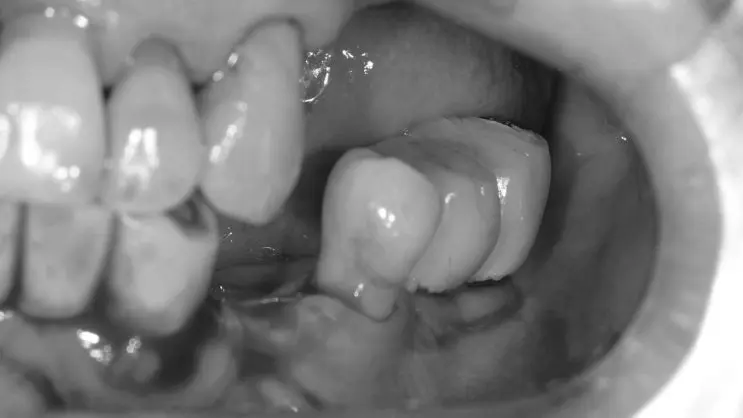
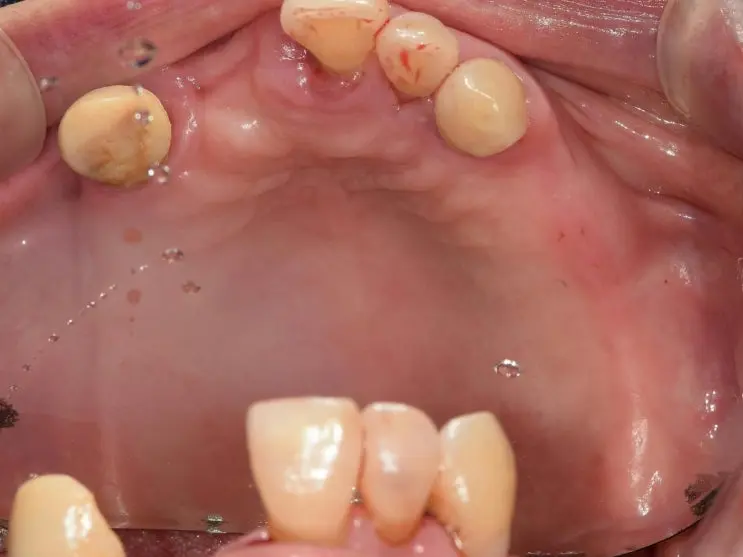
전체 임플란트로 치료 방향을 정한 이유
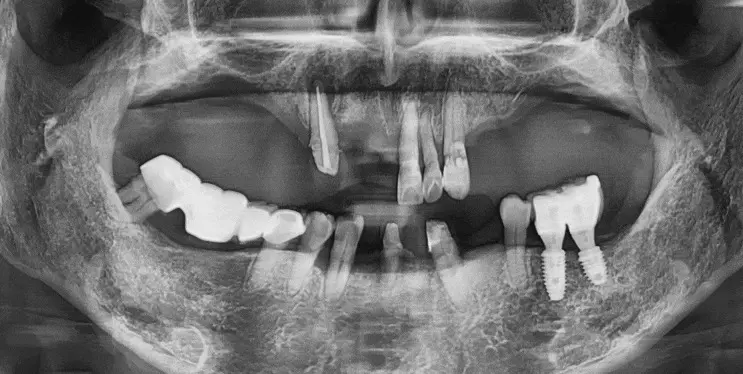
파노라마 엑스레이로 전체적인 뼈 상태와 잔존 치아의 예후를 함께 확인했습니다. 다수의 치아가 상실되어 있었고, 남아있는 치아들 역시 치주질환의 영향으로 장기적인 예후를 기대하기 어려운 상태였습니다.
이런 상황에서는 남아있는 치아를 부분적으로만 살리는 방법보다, 전체 임플란트를 통해 씹는 기능과 심미적인 부분을 함께 개선하는 방향이 더 적합해 보였습니다. 구체적으로는 상악은 전체 악궁에 임플란트를 식립하고, 하악은 전치부를 중심으로 식립하여 현재 나타난 문제들을 개선하는 방향으로 계획을 세웠습니다.
다수의 임플란트를 한 번에 식립할 때는 정확한 식립 위치를 잡고 안전하게 수술을 진행하는 것이 특히 중요합니다. 그래서 이번 케이스에서는 네비게이션 임플란트 방식을 적용하기로 했습니다.
네비게이션 임플란트로 다수 식립을 진행했습니다
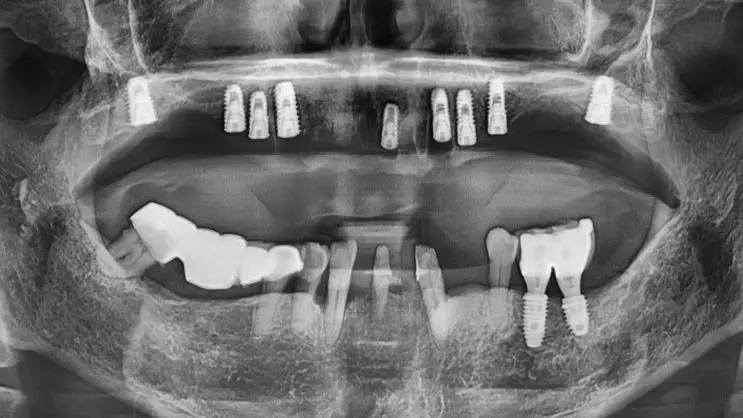
네비게이션 식립은 디지털 분석과 무절개 방식을 활용해서 진행하는 방법입니다. 사전에 디지털로 식립 위치를 계획한 뒤 그 계획대로 정확하게 식립을 진행할 수 있어, 통증 경감은 물론 수술 시간과 부작용까지 줄이는 데 도움이 될 수 있는 방법이라고 볼 수 있습니다.
이번 케이스에서는 상악 9개 식립에 약 30분, 하악은 약 15분 정도가 소요되었습니다. 다만 이는 이번 케이스에서의 소요 시간이며, 실제 소요 시간은 식립 개수와 환자분의 골 상태, 구강 상황에 따라 달라질 수 있다는 점을 참고해주시기 바랍니다. 식립하는 개수 자체가 많았기 때문에 수술 과정에서도 세심한 주의가 필요했습니다.
임플란트 식립 후, 보철까지의 과정
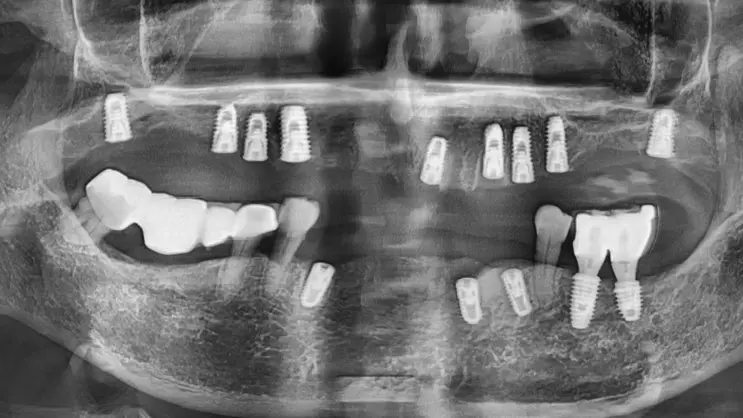
픽스처가 식립된 후에는 곧바로 보철을 올리는 것이 아니라, 충분한 고정력을 얻을 수 있도록 일정한 회복 기간을 거친 뒤 보철 수복 단계로 넘어가게 됩니다. 이 회복 기간은 식립 부위의 뼈 상태와 개인차에 따라 달라질 수 있어, 정확한 기간은 담당 의료진과의 상담을 통해 확인하시는 것이 좋습니다.
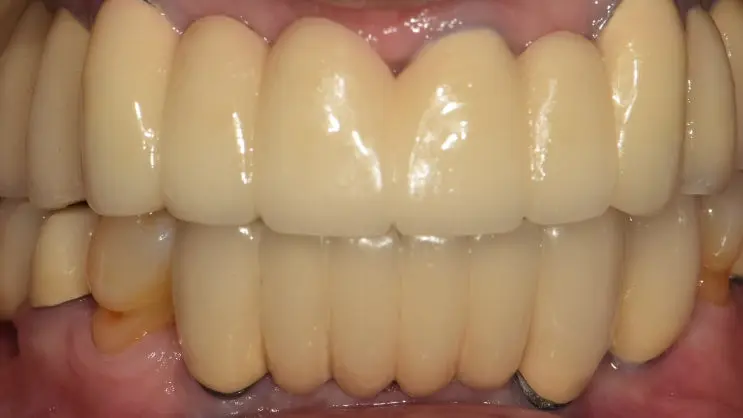
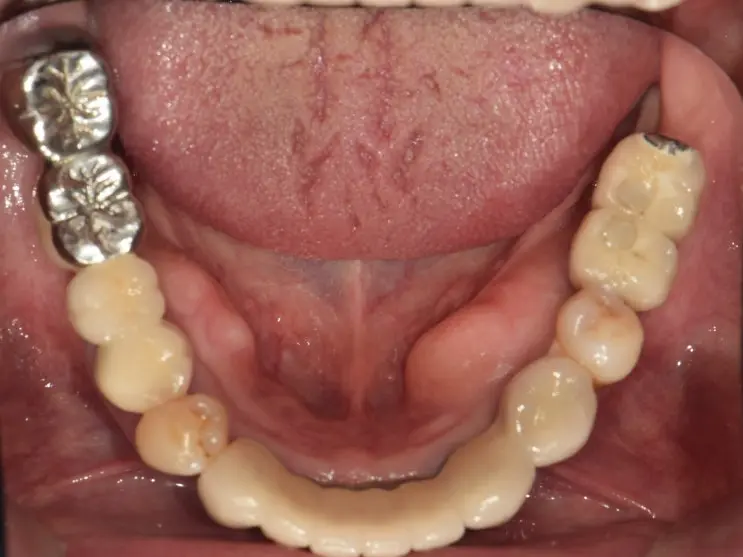
이번 케이스에서는 최종 보철 재료로 지르코니아를 사용했습니다. 지르코니아는 강도와 심미성을 함께 고려할 수 있는 재료로, 다수의 치아를 상실하셨던 상태에서 잃어버렸던 외관을 다시 건강한 모습으로 되찾는 데 활용될 수 있었습니다.

전체 임플란트, 이런 경우에 고려하게 됩니다
이번 사례처럼 다수의 치아를 상실하셨거나, 남아있는 치아의 치주질환이 심하게 진행되어 장기적인 예후를 기대하기 어려운 경우에는 전체 임플란트를 하나의 치료 방향으로 검토해볼 수 있습니다.
- 다수의 치아가 이미 상실되신 경우
- 남아있는 치아 대부분이 심한 치주질환을 동반하고 있으신 경우
- 뿌리만 남아있거나 치조골 소실이 상당히 진행되신 경우
- 부분적인 치료보다 전체적인 재구성이 더 안정적일 것으로 판단되는 경우
다만 이는 일반적으로 검토해볼 수 있는 상황을 정리한 것이며, 실제로 전체 임플란트가 적합한지는 골 상태, 전신 건강 상태, 잇몸 상태 등을 종합적으로 평가한 뒤에 결정해야 합니다. 모든 다수 치아 상실 케이스에 전체 임플란트가 정답은 아니며, 남길 수 있는 치아가 있다면 최대한 보존하는 방향도 함께 고려됩니다.
자주 묻는 질문
Q. 전체 임플란트는 다수의 치아를 잃으면 무조건 진행하게 되나요?
그렇지는 않습니다. 남아있는 치아의 예후, 잇몸과 뼈 상태를 종합적으로 평가한 뒤 일부 치아는 보존하고 일부만 임플란트로 대체하는 경우도 있습니다. 전체 임플란트는 여러 선택지 중 하나이며, 개인의 구강 상태에 따라 치료 범위가 달라질 수 있습니다.
Q. 네비게이션 임플란트는 일반 임플란트와 어떻게 다른가요?
네비게이션 임플란트는 디지털로 사전에 식립 위치를 계획한 뒤 그 계획에 맞춰 정밀하게 식립하는 방식입니다. 특히 다수의 임플란트를 한 번에 식립할 때 정확한 위치와 각도를 확보하는 데 도움이 될 수 있습니다.
Q. 임플란트 식립 후 바로 보철을 하게 되나요?
일반적으로는 픽스처가 뼈와 충분히 고정될 수 있도록 일정 기간의 회복 과정을 거친 뒤 보철을 진행하게 됩니다. 회복 기간은 개인의 골 상태와 식립 부위에 따라 달라질 수 있습니다.
Q. 치주질환이 심한 상태에서도 임플란트가 가능한가요?
치주질환 자체를 먼저 관리하는 과정이 필요할 수 있습니다. 염증이 심한 상태를 방치한 채 임플란트를 진행하기보다, 염증 조절과 발치 등 필요한 전처치를 거친 뒤 식립 계획을 세우는 것이 일반적입니다. 정확한 진행 순서는 구강 검사 후 결정됩니다.
Q. 지르코니아 보철은 다른 재료와 어떻게 다른가요?
지르코니아는 강도가 높고 심미성이 우수한 편으로 알려진 보철 재료 중 하나입니다. 다만 적합한 보철 재료는 교합 상태, 식립 부위, 환자분의 선호 등을 고려해 함께 결정하시는 것이 좋습니다.
English Summary
Tooth loss affecting multiple teeth at once presents a different set of challenges than losing a single tooth. When several teeth are missing and the remaining teeth are also compromised, function, appearance, and long-term oral health can all be affected simultaneously. This case summary walks through one such situation and the reasoning behind choosing full-mouth implant treatment.
At the initial examination, the patient presented with multiple missing teeth, and the condition of the remaining teeth was also poor. Some teeth had been reduced to root fragments only, and areas of bone loss were visible as a result of significant inflammation. A closer look at the oral cavity revealed advanced periodontal disease, with active bleeding and swelling present. In situations like this, attempting to save the remaining teeth individually is not always the most reliable path forward. Instead, evaluating the entire oral condition as a whole often leads to a more stable long-term outcome.
A panoramic X-ray was used to assess the overall bone condition and the prognosis of the remaining teeth. Given the extent of tooth loss and the poor long-term prognosis of the remaining teeth due to periodontal disease, a full-mouth implant approach appeared more appropriate than attempting to preserve individual teeth. The treatment plan called for implants across the entire upper arch, along with implants in the anterior lower arch, to address the functional and esthetic problems the patient was experiencing.
When placing a large number of implants in a single procedure, precise positioning and surgical safety become especially important. For this reason, a navigation-guided implant approach was selected for this case. Navigation implant placement relies on digital planning and a flapless technique, meaning the implant positions are mapped out digitally in advance and then placed according to that plan without the need for a large surgical incision. This approach can help reduce discomfort, shorten surgical time, and lower the likelihood of certain complications compared with more conventional placement methods, although outcomes can vary from patient to patient.
In this particular case, placing nine implants in the upper arch took approximately 30 minutes, while the lower arch procedure took about 15 minutes. It’s worth noting that these figures reflect this specific case only — actual surgical time can vary considerably depending on the number of implants placed, the patient’s bone quality, and the overall condition of the oral cavity. Because a relatively large number of implants were being placed in a single session, particular care was taken throughout the procedure to maintain precision.
Once the implant fixtures are placed, the next step is not immediate restoration. Instead, a healing period is typically required to allow the fixtures to achieve sufficient stability within the bone before the final prosthetic is attached. The exact length of this healing period can vary based on individual bone density and the specific site of placement, and should be confirmed with the treating clinician on a case-by-case basis.
For the final restoration in this case, zirconia was selected as the prosthetic material. Zirconia is often chosen for full-arch restorations because it can offer a combination of mechanical strength and a natural-looking appearance, which can be particularly relevant when a patient has lost a significant number of teeth and is looking to restore both function and a healthy-looking smile.
It’s important to note that full-mouth implant treatment is not automatically the recommended path whenever multiple teeth are missing. The decision depends on a comprehensive evaluation of the remaining teeth’s prognosis, bone condition, gum health, and the patient’s overall systemic health. In some cases, a combination approach — preserving certain teeth while replacing others with implants — may be more appropriate than a full-arch implant plan. Active periodontal disease, in particular, generally needs to be addressed and stabilized before implant placement can proceed, and extractions or other preparatory treatment may be necessary first.
Planning for a full-arch case also involves thinking beyond the surgery itself. Bone quality and quantity at each planned implant site are assessed in advance, since these factors influence both the number of fixtures that can be placed and how the surgical plan is sequenced between the upper and lower arches. Where bone volume is limited, additional preparatory procedures may need to be discussed before implant placement can move forward. The bite relationship between the upper and lower arches is also considered as part of the final prosthetic design, since an uneven distribution of chewing forces across multiple implants can affect long-term stability. None of these factors can be fully assessed from photographs or X-rays alone — they require an in-person clinical examination.
Because treatment involving this many implants represents a significant commitment of time and healing, patients are generally encouraged to ask about the reasoning behind each part of the plan: why a particular number of implants is recommended, what the expected healing timeline looks like, and how the final restoration material was chosen. Understanding these details can help patients feel more prepared for what the treatment process involves from start to finish.
As with any implant treatment, individual outcomes and healing timelines vary based on each patient’s bone quality, gum condition, overall health, and the specific extent of treatment required. This summary is intended for general educational purposes, and an accurate treatment recommendation requires an in-person examination and consultation with a qualified dentist.
마치며
다수의 치아를 상실하셨거나 잇몸 상태가 좋지 않아 고민이시라면, 남아있는 치아를 어떻게 살릴 수 있을지, 혹은 전체적인 재구성이 필요한 상태는 아닌지부터 정확하게 진단받으시는 것이 중요합니다. 명일동, 강동구에서 전체 임플란트를 고려하고 계시다면 현재 남아있는 치아의 상태와 잇몸, 뼈 상태를 먼저 정확히 확인하신 뒤 치료 범위를 결정하시길 권해드립니다.
임플란트에 대해 더 궁금하신 점이 있으시다면 강동구 임플란트 완전 가이드 2026 글도 함께 참고해보시면 도움이 되실 것 같습니다.
지금까지 서울더자연치과 치과의사 김민수였습니다.
※ 본 포스팅은 의료법 제56조 제1항을 준수하여 작성되었습니다. 실제 내원 환자분의 동의하에 공개된 사진이며, 동일한 환자분께 동일한 조건에서 촬영한 사진을 활용하였습니다. 다만 개인에 따라 진료 및 치료방법이 다르게 적용될 수 있으며, 효과와 부작용이 다르게 나타날 수 있는 점을 안내드립니다. 진료 전 전문 의료진과의 충분한 상담을 권해드립니다.
#전체임플란트 #전악임플란트 #네비게이션임플란트 #무절개임플란트 #치아상실 #치주질환 #지르코니아임플란트 #임플란트비용 #강동구임플란트 #명일동임플란트